How AI is Exposing Communicators
“As content production becomes easier, the organizations that separate themselves from the crowd won't be the ones producing more, but the ones making better communication decisions before the first draft ever exists.
AI is making it much harder to confuse output with outcome. The output has always been content. The outcome has always been trust.”
Will AI replace writers? Absolutely.
Will it replace communicators? Not a chance.
The debate on what AI will and will not replace has been raging for years now. And man, has it been a rollercoaster. One day you’re reading about LLMs producing PhD quality work and passing professional exams, the next you’re reading about companies learning the hard way that replacing expertise is far more complicated than replacing tasks. It highlights the highs and lows of the adoption and use of AI in corporate America.
Let’s start by getting one thing absolutely clear: AI can write.
It can summarize, structure, polish, optimize, and produce content at a speed no human can match. It can mimic tone. It can generate headlines that outperform yours in an A/B test. It can even imitate your voice well enough that most readers won't consciously notice.
And yet... people notice.
Something just feels off. The sentences are clean. The grammar is perfect. And the logic is (mostly) airtight. And yet, the words just don’t land quite right. Style and preferences aside, it’s because we’ve all started developing a subconscious radar for AI writing. Certain sentence structures (“It’s not just [blank], it’s [blank]”), predictable transitions (“[blank] matters”), or the now infamous reliance on the em-dash* have all become tells. It’s not inherently bad writing. It’s just a painfully obvious signal that a human has not wrestled with the sentence long enough to make it their own.
What's really interesting is that until recently we couldn't spot these patterns. Our collective literacy around AI is evolving almost as quickly as the models themselves. Just as AI is learning how humans write, humans are learning how AI writes.
Speaking from my own experience, when I see these AI-isms and get the feeling that something is off, I immediately start questioning the credibility of the content before I've even finished evaluating the argument. And it turns out I’m not alone. New research published in the Journal of Consumer Research confirms that people are less likely to engage with content when they know it is AI-generated.
The folks over at Science Says did a first-class breakdown on this research. The big takeaways?
When it comes to content, we value effort, time, and care – not just output
We engage more deeply with creators we feel connected to
Said differently: when things are created with AI, we assume people have not invested effort into it, and so we discount its quality. What I think this really exposes is the importance of the relationship with the person behind the content or message.
The challenge today is no longer about being technically good, it’s about being genuinely believable. AI isn’t going anywhere, and so for me, the question isn’t how you make AI sound more human, it’s how you make sure people can still find the human behind the AI.
The Hidden Currency of Communications is Parasocial Trust
Think about the leaders, artists, activists and yeah, I’ll say it – politicians you follow. Chances are you've never met them, yet you probably have a strong opinion about whether they're thoughtful, competent, or trustworthy. That opinion wasn't built from one post. It was built over dozens of messages, events, and interactions. That's a parasocial relationship. And whether we realize it or not, it's been quietly shaping communications – corporate and otherwise – since basically forever.
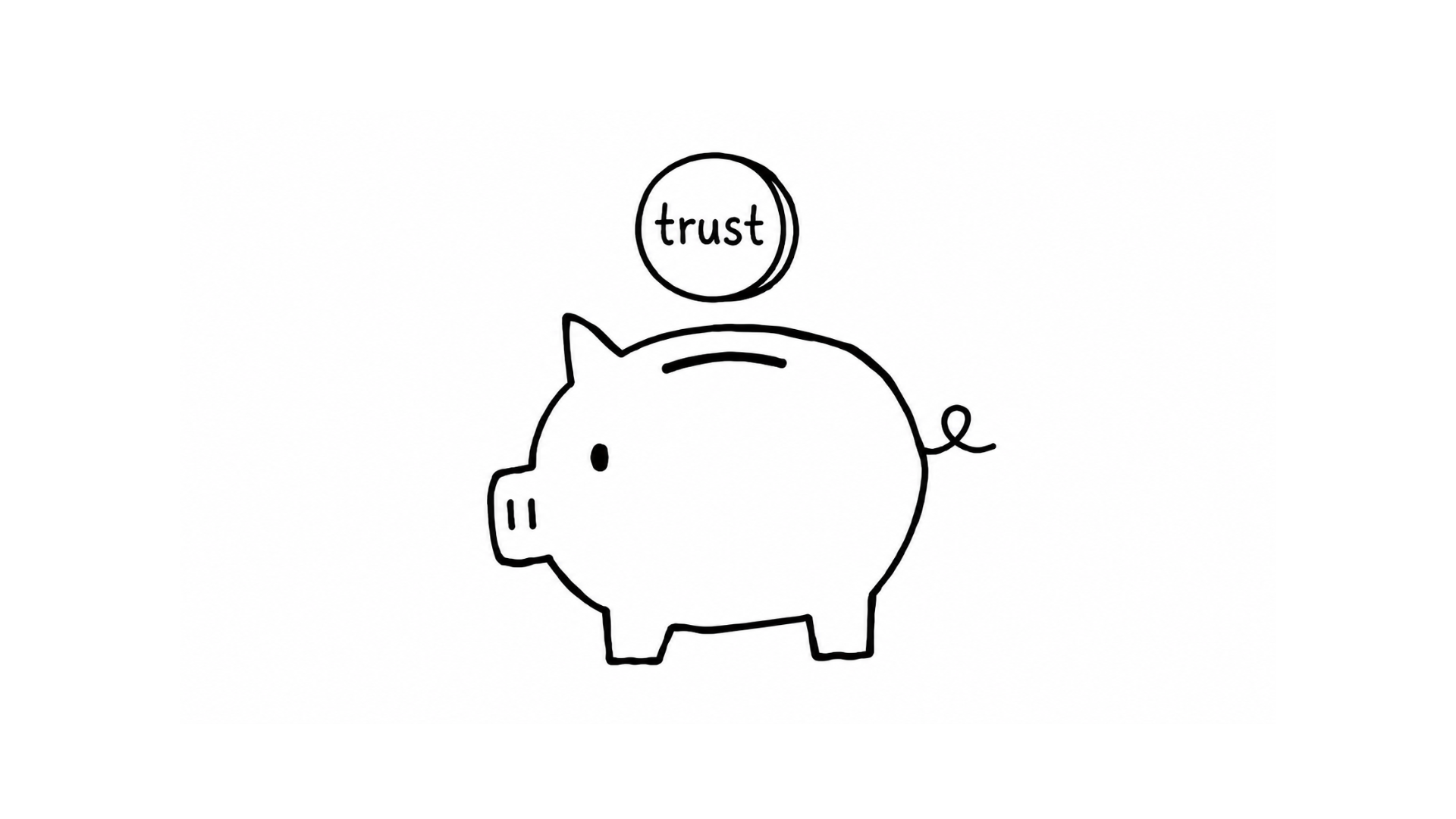
You can have the best message in the world, but if you have the wrong messenger, it doesn’t matter. Communications and content are not isolated events. They’re cumulative experiences. Every town hall, every earnings call, every difficult announcement, every LinkedIn article or off-the-cuff interview is either a deposit or withdrawal from the same trust account.
Notice I didn't say "liked." Trust and likability aren't the same thing. Plenty of leaders are admired without being warm, and there are plenty of charismatic people out there who struggle to convince anyone. Parasocial trust isn't about popularity, it's about credibility. And credibility is built through authenticity. We'll come back to that, because in my opinion, authenticity has become one of the most misunderstood ideas in communications.
Trust isn't something communications repairs after a decision has been made. It's something leadership either strengthens or weakens with every decision it asks communications to explain. It’s why trust compounds and why credibility can evaporate faster than we expect.
None of this is new. Parasocial trust existed long before AI and LinkedIn and social media. The best communicators have never really been in the content business, they’ve been in the trust business - we’ve just mistaken content for the product. As AI reduces the cost of content creation, it is also raising the price of trust, as audiences are looking beyond messages and messengers for confirmation of that human touch.
Authenticity isn’t Casual. It’s Honest.
Somewhere along the way, authenticity became confused with informality.
We started acting like authenticity meant writing the way you talk. Posting selfies. Sharing your morning coffee. Throwing in an emoji. Swearing occasionally. Being "real." None of those things make you authentic. They're communication choices and styles.
Authenticity is much simpler - and much harder. It's alignment between what people hear, what they see, and what they experience over time. Employees don't decide whether a CEO is authentic because they posted an unfiltered picture from an airport. They decide after watching them explain a restructuring, hearing how success is celebrated, and seeing how failure is owned. They decide after comparing what leaders say with what leaders actually do.
People don’t expect leaders to be perfect, but they do expect them to be consistent, and want them to be honest. I am a firm believer in radical transparency. That doesn’t mean you have to tell everyone everything, but it does mean you have to tell the truth. Authenticity is less about stylistic choices, and more about being willing to own the message and stand behind it in both words and actions. It’s not something that can be added in the editing process. It has to be present in the decisions themselves.
And this is why – and where - AI creates tension. AI can reproduce someone’s voice and mirror stylistic choices, but what it can’t do is apply it consistently across someone’s life. If trust is the product and authenticity is how it's earned, then the communicator's job changes dramatically. It becomes less about producing more content and much more about helping leaders build relationships that can withstand scrutiny.
From Writers to Relationship Architects
I think the current AI communications debate is completely missing the larger point. It’s not about what it will and will not replace. What is really happening here is AI clarifies where an organization’s competitive advantage lies. As content becomes easier to produce, differentiation is moving upstream from creating messages to shaping the decisions and building the trust that make those messages believable.
The competitive advantage is everything that happens before the first draft is ever written. It’s less about how something should be communicated and more about whether it should be communicated, when it should be communicated, who should be delivering the message. Ultimately, the question isn't whether the message sounds good or is even technically correct, it's whether sending it is worth the withdrawal you're about to make from the trust account you've spent years building.
Writers optimize individual messages. Relationship architects manage the trust account by optimizing what happens between messages. They understand that trust isn't built by a single town hall or press release. It's built through the cumulative experience of hundreds of interactions that reinforce the same leadership, the same values, and the same judgment over time.
Every significant communication is a leadership decision disguised as a writing assignment. It signals priorities. It reinforces culture. It shapes how employees interpret change, how customers perceive a brand, and how investors judge leadership. Every message either reinforces the relationship an organization has spent years building or begins to erode it. That's why the real work – and the real value communicators provide - is helping leaders understand what that message will mean long after people stop reading it.
—-
Ironically, I think this is actually a benefit of AI we overlook. As content production becomes easier, the organizations that separate themselves from the crowd won't be the ones producing more, but the ones making better communication decisions before the first draft ever exists. AI is making it much harder to confuse output with outcome. The output has always been content. The outcome has always been trust. The organizations that understand the difference will be the ones that create a lasting competitive advantage.
We’ve spent years treating communications as the function responsible for explaining decisions. AI is reminding us that its greatest value has always been helping shape them.